7 September 2026, London (The Energy Circle by IN-VR) — The bid round for the Tunisia–Libya joint offshore acreage opened today. Joint Oil, the 50/50 venture between Tunisia's ETAP and Libya's Ola Energy Holdings (a National Oil Corporation subsidiary), has put two packages on the table in the Gabes–Tripoli Basin: an exploration block with more than 1.6 billion barrels of oil and 3.1 trillion cubic feet of gas in mean in-place prospective resources, and the development of the Zarat discovery, a cross-border oil and gas field that has sat undeveloped since Marathon found it in 1992. Bids are due 8 January 2027. Texas-based Moyes & Co is running the process.
The exploration block. The Joint Oil Block covers 3,000 square kilometres in 80 to 120 metres of water and comes with 6,500 kilometres of 2D and 1,900 square kilometres of 3D seismic. Five wells have been drilled on it between 1976 and 2010 (Zohra-1, El Amal South-1, Besmah-1, El Amal North-1 and Zarat North-1), so the acreage is de-risked in the way that matters most: the petroleum system works. Joint Oil has mapped five prospects, Faisal, Hadaf, Siraj East, Siraj West and Zarat Deep. Hadaf is the largest oil target, at just over 1 billion barrels in place across two horizons; Siraj West is the largest gas target, at roughly 1.7 Tcf plus an estimated 358 million barrels of oil. Faisal sits directly north of Zarat and may be an extension of it. The block will be awarded under an Exploration and Production Sharing Agreement.
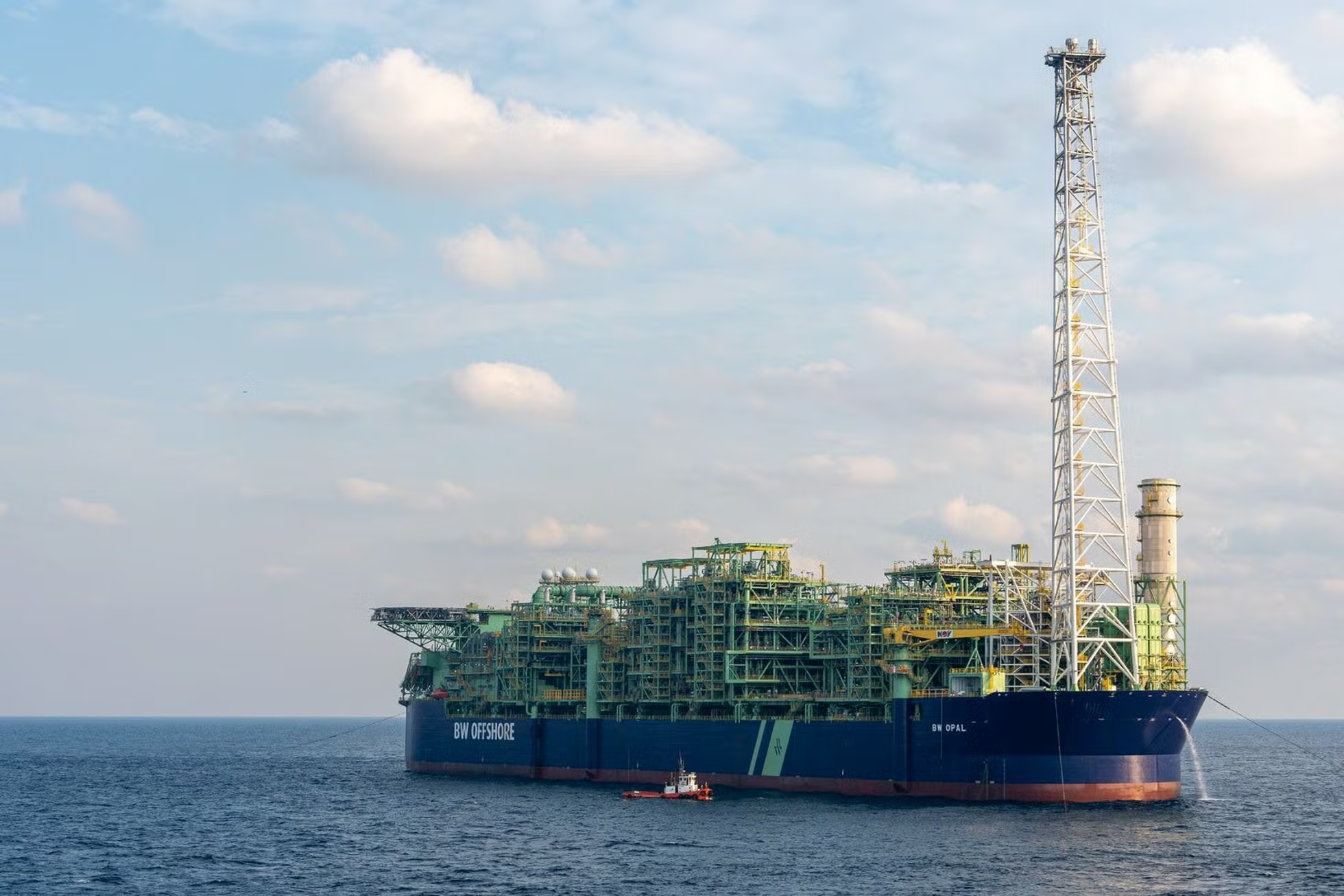
The Zarat development. Zarat straddles the maritime boundary and is being offered as a unitised resource. It lies in 90 metres of water, was discovered in 1992 and appraised in 1995, with three wells encountering a 75-metre gas column and a 15 to 18 metre oil rim. Joint Oil's figures put in-place resources at 266 million barrels of oil and condensate and 1.1 Tcf of gas, with recoverable reserves of 72 million barrels and 835 Bcf. The concept work already done points to up to seven wells tied back to a mobile offshore production unit, with oil exported through Tunisia's Miskar facilities, a floating storage unit, or direct to shore. The package will be governed by a Development and Production Sharing Agreement, a Unitisation Agreement, a Unit Operating Agreement and an Operating Services Contract.
The acreage is surrounded by producing infrastructure. To the east, on the Libyan side, sit Bouri, Al Jurf and Bahr Essalam, the core of Eni and Mellitah's offshore complex. To the west, on the Tunisian side, are Ashtart, Hasdrubal, Miskar and Didon. For a bidder, that means the difference between a stranded discovery and a tie-back is measured in tens of kilometres, and there are established export routes on both sides of the border. It also means the geology is well understood: the block sits on the southern margin of the Pelagian Basin, within the Sabratha–Gabes trend that has been producing for decades.
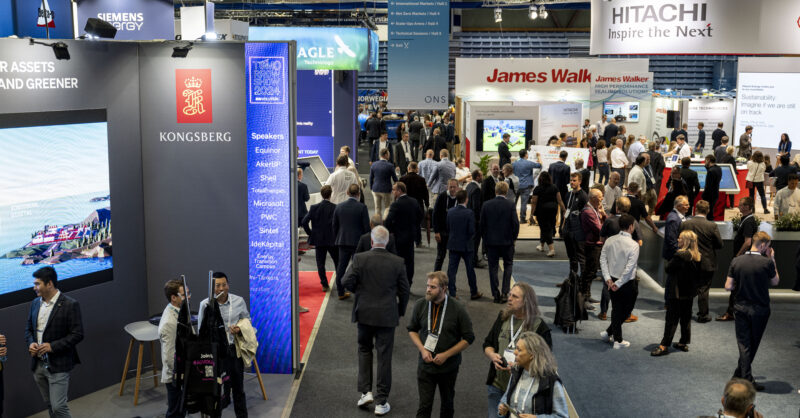
Joint Oil has published a firm schedule. The round opened on 7 September 2026 and runs to 31 December. Qualified companies with proven offshore exploration and development capability can apply to Moyes for access to the virtual data room. Bids must be received by 8 January 2027, winning bidders will be notified by 26 February, and formal awards are expected by 30 April 2027. The opportunity will be presented at the London MMEA Scout Group on 9 September and at the World Energy Summit in London on 29 to 30 September, where Joint Oil will have a booth.
This is a relaunch. The same acreage was offered in 2023 and did not attract a taker. Three things have changed since. First, the process itself: Joint Oil has brought in an external advisor, packaged the data, published a hard timetable and is taking the round to the market in person, none of which was true of the 2023 attempt. Second, the regional backdrop: Libya's own 2025 licensing round drew strong international interest and contracts have since been signed, the Waha concessions have been extended to 2050, and the majors are being pushed by Tripoli to move from studies to spending. Tunisia, for its part, is working to arrest production decline and has been actively courting offshore investment. Third, the Mediterranean gas market: European buyers want proximate, pipeline-connected supply, and Zarat's 835 Bcf of recoverable gas sits a short distance from existing export infrastructure.
The round's success will hinge on whether a company with real offshore capability is willing to take on a cross-border unitised asset under two governments. Unitisation across a maritime boundary adds legal and fiscal complexity that a single-jurisdiction block does not carry, and the four-agreement structure for Zarat reflects that. On the other hand, the reward is a discovered resource with existing concept work, adjacent to infrastructure, in shallow water. The exploration block is the bigger prize on paper, with a billion-barrel prospect in Hadaf, but it is exploration, and the five historical wells are a reminder that the basin can disappoint as well as deliver.
The usual Libya caveats apply. The political settlement remains unfinished and the sector has seen disruption tied to institutional disputes. But this round is structured to insulate bidders from some of that: Joint Oil is Tunis-based, the acreage is offshore and shared, and Tunisia provides a second export route. For companies that have watched Libya's recent licensing activity from the sidelines, this is one of the lower-friction ways in.
Libya and Tunisia have jointly managed this acreage since 1988 without bringing it into production. The 2026 round is the most serious attempt yet to change that, with a professional advisor, a data room, a fixed schedule and a market that is more receptive to North African offshore than it has been in years. The question between now and 8 January is whether the industry agrees.