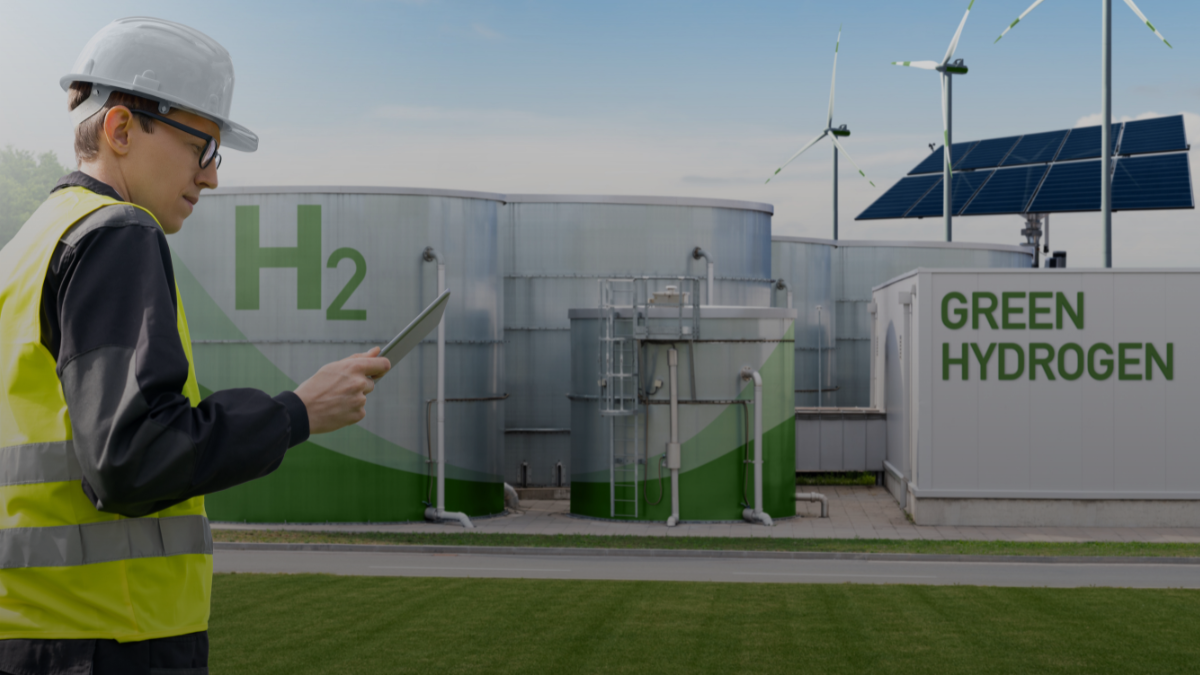
Croatian oil and gas company INA has completed the installation of a solar power plant at its Rijeka Refinery, marking a major milestone in the development of Croatia's first commercial green hydrogen production facility.
The newly installed 11 MW solar power plant will supply renewable electricity to a 10 MW electrolyzer, which is currently under construction and will produce green hydrogen using renewable energy.
The project represents one of Croatia's most significant clean energy investments and has received EUR 15 million in funding through the country's National Recovery and Resilience Plan (NRRP). The total investment is valued at EUR 61 million, with Croatian engineering company Končar serving as the project's main contractor.
Before the solar facility enters commercial operation, INA will complete the final testing and technical commissioning activities.
INA expects the first green hydrogen to be produced in 2027, with the facility targeting an annual production capacity of approximately 1,500 tonnes.
The hydrogen will primarily supply the transport sector, while also supporting refinery operations by replacing part of the conventional hydrogen currently used in industrial processes.
According to Zsuzsanna Ortutay, President of INA's Management Board, the project is a key strategic investment that will reduce greenhouse gas emissions, improve the sustainability of refinery operations, and support the development of Croatia's green hydrogen market.
Končar's President of the Management Board, Gordan Kolak, added that the project highlights the capabilities of Croatia's domestic engineering and industrial sector to deliver complex energy transition projects.
Beyond introducing Croatia's first commercial green hydrogen facility, the project represents an important step in the country's broader energy transition. It strengthens the integration of renewable energy into industrial operations, supports the decarbonization of the refining sector, and helps diversify future clean energy sources.
For the wider region, the investment reinforces the growing momentum behind green hydrogen development across Southeast Europe. As more countries invest in renewable hydrogen infrastructure, the region is expected to become better positioned to attract clean energy investment, support low-carbon transport and industry, and contribute to Europe's long-term decarbonization and energy security goals.


